OUSIKI OPTICS · EYEWEAR QUALITY CONTROL
Eyewear Quality Control, Defined by Reference.
A structured B2B process for reviewing materials, production, finished eyewear and packaging against the approved sample and agreed order requirements.

QUALITY FLOW
Four checkpoints connected by one reference
Inspection does not begin with a general impression. It begins with a defined reference: the approved sample, buyer specification and confirmed order details.
The exact scope is adapted to the category, material, lenses, customization and destination market.
Incoming Material Inspection
Review relevant materials and components before production or assembly.
Production Inspection
Check during the process to identify deviations before final finishing.
Final Inspection
Review finished eyewear against appearance, function and agreed requirements.
Packing Inspection
Confirm protection, accessories, labels, quantity and cartons.
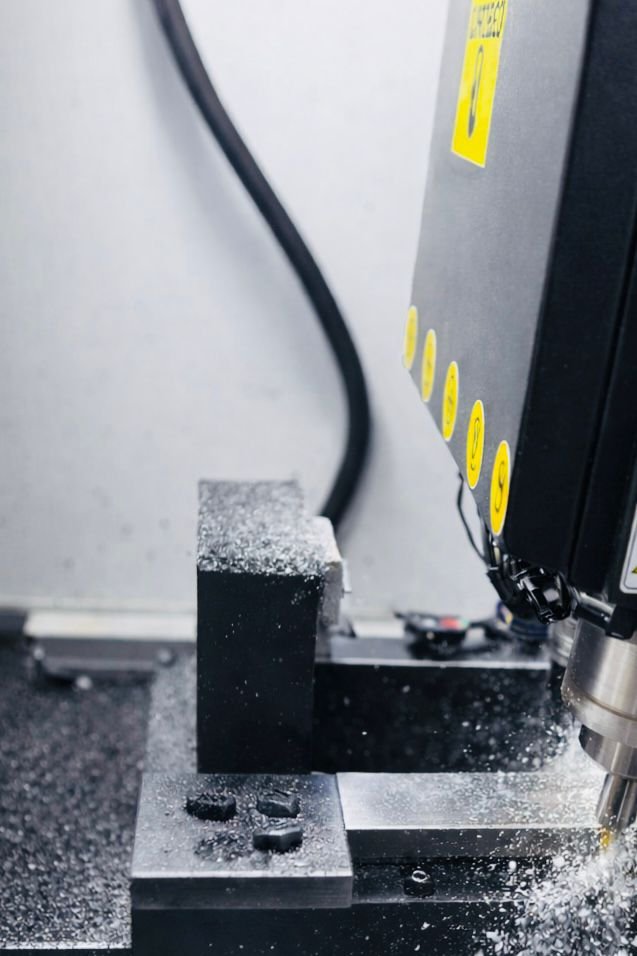
INCOMING MATERIAL INSPECTION
Confirm what enters the process
Inspection points are selected for the product. Review may cover material, color, relevant dimensions, visible finish, lenses, hinges, screws and branding components.
- Material identityCompare the received material or component with the agreed model direction.
- Color and finishReview visible differences before parts enter production.
- Critical componentsConfirm parts required for assembly, function and presentation.
- Deviation separationIdentify and hold materials that require review before continuing.
PRODUCTION INSPECTION
Identify deviations before they reach the finished product
In-process checks are placed where a deviation can still be corrected or contained practically.
Review the relationship between front, temples and components.
Observe hinges, screws, opening and stability.
Compare visible appearance, edges and treatment.
Verify position, orientation and fitting against the specification.
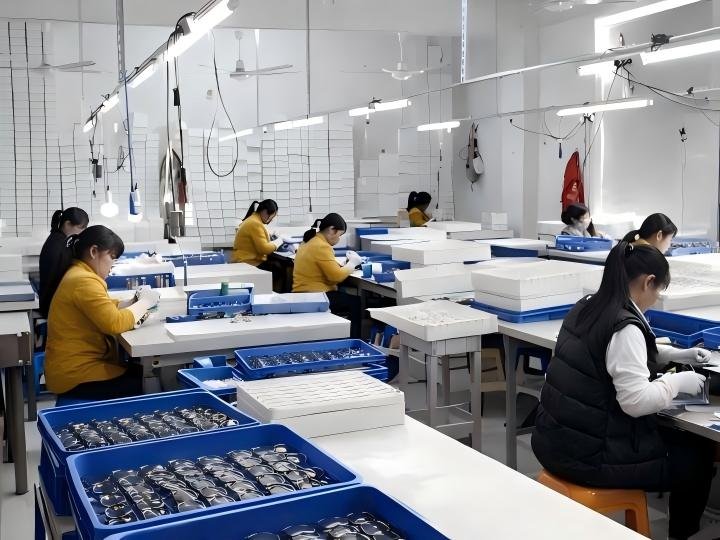
FINAL INSPECTION & CRITERIA
The approved sample and specification guide the decision
Criteria are documented by project. The areas below show the type of review; they do not replace a buyer-specific inspection plan.
Appearance & finish
Color, surface, edges, visible symmetry and overall presentation against the reference.
Reference: approved sample and specificationAssembly & function
Alignment, stability, hinges, screws, opening and component fitting.
Reference: agreed functional requirementsLenses & fitting
Type, color, orientation, visible condition and fitting for the confirmed model.
Reference: order configurationBranding & presentation
Logo, placement, color, labels and private label elements.
Reference: approved artwork and branding sampleQuantity & assortment
Model, color, distribution and quantity against the order details.
Reference: order and packing listProject-specific criteria
Additional test methods or acceptance limits only apply when they have been defined and confirmed in writing for the order.
PACKING INSPECTION
Protect the product and preserve the brand presentation
Final inspection continues through packaging. The aim is to confirm that the correct product, its accessories and protection match the order.
- Individual packingCase, bag, cloth or other protection according to the specification.
- Labels and accessoriesContent, position and correspondence with the model or market.
- Quantity and assortmentModels, colors and distribution per box.
- Cartons and shipping marksCondition, protection and agreed information for logistics preparation.

BUYER VISIBILITY
Define the scope before production begins
Approved reference
Identify the sample, color, lens, logo and packaging that form the baseline.
Inspection checklist
Share critical requirements, relevant tolerances and buyer rejection points.
Order scope
Confirm models, quantities, assortment and market-specific requirements.
Agreed record
When agreed, define photos, reviewed quantities, findings and required follow-up.
BUYER QUESTIONS
Frequently asked questions about eyewear quality control
What does eyewear quality control include?
It may include material and component review, in-process checks, final inspection, branding, lenses, quantity and packing, depending on the product and order.
What reference is used to inspect eyewear?
The reference may include the approved sample, buyer specification, branding files and confirmed order details.
Can I provide my own inspection checklist?
Yes. Share critical points and requirements before production so feasibility and scope can be reviewed and confirmed.
Can a sample be reviewed before bulk production?
Yes. The route depends on whether you select an available model or require a custom prototype.
What is checked during production inspection?
Depending on the model, checks may cover alignment, assembly, hinges, screws, finish, lenses and logo application.
How are pieces that do not match the reference handled?
Identified deviations are separated for review and an appropriate action is defined before continuing or preparing shipment.
What is checked during packing inspection?
Review may cover individual protection, accessories, labels, assortment, quantity, cartons and agreed shipping marks.
Can I request an inspection record for my order?
Documentation requirements should be agreed before production. Share the format, photos or data you need so the scope can be confirmed.
DEFINE YOUR REFERENCE
Turn quality requirements into a clear checklist
Share the category, models, reference sample, materials, lenses, branding, packaging, quantity and critical buyer points.